
You are using an out of date browser. It may not display this or other websites correctly.
You should upgrade or use an alternative browser.
You should upgrade or use an alternative browser.
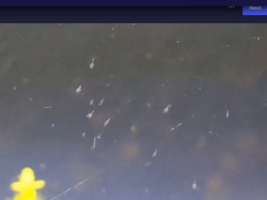
What is this on my aquarium glass?
Advertisement
Advertisement
Advertisement
I was planning on getting either or anyway but wanted to know if it's a sign they'll have something to graze on when I'm not feeding as I mostly have diatom algae in the tank which idk if they will eat either.No, and please don't get any animals for that purpose.
If you feel disturbed by it, just remove it with a paper towel. Even your bare hand will suffice.
Oh this can be answered quickly. If the tank is running less than 6 months, it's not ready for Otos. And plecos are not exclusively aufwuchs eaters.I was planning on getting either or anyway but wanted to know if it's a sign they'll have something to graze on when I'm not feeding as I mostly have diatom algae in the tank which idk if they will eat either.

- Messages
- 10,216
Hydra.
Kill it.
Many use Fenbendazole commonly found in dog dewormers.
Ask if you want links and directions to safely kill them.
Kill it.
Many use Fenbendazole commonly found in dog dewormers.
Ask if you want links and directions to safely kill them.
Unless this is a breeding tank this is overkill. Shooting sparrows with a cannon if you will.Hydra.
Kill it.
Many use Fenbendazole commonly found in dog dewormers.
Ask if you want links and directions to safely kill them.
Advertisement
- Messages
- 10,216
Regardless of if there is any danger to small fry, the hydra will likely not just die off without help.Unless this is a breeding tank this is overkill. Shooting sparrows with a cannon.
Just my limited experience in dealing with them in my fish room.
I did not wait long to treat and it was easy peasy, but I did leave some tanks un treated with hopes a fish would eat them.
That NEVER happened for me.

What do they do apart from looking bad?Hydra.
Kill it.
Many use Fenbendazole commonly found in dog dewormers.
Ask if you want links and directions to safely kill them.
It will spread . Any arm that’s broken will grow a new hydra. I would not use a paper towel on it .
For me I grow my best clumps on the glass directly beneath the spots I squirt live baby brine daily.
At water change time you can play with it using a single sided razor blade. But it will never go away . Even with using Fenbendazole i have to dose a few times and be careful about spreading it to another tank .
What do they do.
They sting small fish trying to catch them the same way they catch and kill live baby brine.
They eat fish fry and shrimplets, but that's only relevant if you breed fish or inverts and aim for high yields from a breeding project.What do they do apart from looking bad?
- Messages
- 10,216
They are miniature fresh water anemones that try to eat everything they touch by stinging it first.What do they do apart from looking bad?
They will multiply quickly if conditions are right and there is no real ' safe and effective' way to mechanically remove them.
Some pests whether large or small just need removing IMO
They multiply by fission, meaning when you clean your glass and scrape them into pieces each piece will become a new one.

- Messages
- 441
If that is hydra (not sure), and despite it being precisely not what you are told to do (some say that wiping hydra spreads body parts from which they can regenerate throughout the tank), I wiped a colony off the glass last year and did not see another one for months and months. I recently found a few more, but the numbers are low and I do not mind a few in the tank. The wiping did not lead to any sort of population explosion. But that's just my experience.
I don't have a dewormer. Which would you recommend?I have never seen a fish eat hydra.
When you dose your normal deworming routine it will kill most of them in 40 minutes.
Advertisement
It's not even always necessary. I'd only use one when getting wild caught fish or if feeding wild caught live food regularly.I don't have a dewormer. Which would you recommend?
- Messages
- 10,216
I don't have a dewormer. Which would you recommend?

You will only need 1 gram, one pouch from smallest pack most box/pet stores sell.
You mix 1 gram with 200ml water to make the 'solution'.
Then you dose 20ml of the mixed solution per 10 g of tank.
You should see it work quick and be able to change water and hopefully be done with them in 3 days without a second treatment if caught early enough.
Does this harm anything else? Beneficial bacteria, snails, blackworms living in substrate?View attachment 868317
You will only need 1 gram, one pouch from smallest pack most box/pet stores sell.
You mix 1 gram with 200ml water to make the 'solution'.
The you dose 20ml of the mixed solution per 10 g of tank.
You should see it work quick and be able to change water and hopefully be done with them in 3 days without a second treatment if caught early enough.
I feed my home cultured blackworms and bbs that's it. Still necessary?It's not even always necessary. I'd only use one when getting wild caught fish or if feeding live food regularly.
Snails and blackworms probably, the microfauna in the filter media stays unphased.Does this harm anything else? Beneficial bacteria, snails, blackworms living in substrate?
Not at all.I feed my home cultured blackworms and bbs that's it. Still necessary?
- Messages
- 10,216
It can affect small snails but it never did a thing to any of mine.
I had no effect on fish, snails, plants or my filters. My treatment comes from shrimp keepers!
No other med works in 3 days for any real fish issues. Meds really work by amount installed versus the size of life you are trying to eradicate. Larger issues need stronger meds and longer exposure.
It is the small size of the hydra that makes them an easy target for the ' mild' med.
Larger life forms have more resilience to it.
- Messages
- 10,216
Doesn't look like what I got if I'm honest. Could just be very small hydra though and therefore it looks different

- Messages
- 18,074
It doesnt look like Hydra to me either. Look up the Vorticella MacZ mentioned.Doesn't look like what I got if I'm honest. Could just be very small hydra though and therefore it looks different

- Messages
- 9,253
Advertisement

- Messages
- 4,491
Yeah, fits the bill.Those ones would be Zoothamnium, very similar to Vorticella. Both are ciliates.
- Messages
- 18,074
Thought one or the other. Always mix them up.Those ones would be Zoothamnium, very similar to Vorticella. Both are ciliates.
Are these harmful? If so what do I do to get rid of them?Those ones would be Zoothamnium, very similar to Vorticella. Both are ciliates.
- Messages
- 18,074
No not harmful. Clean the tank a little more than normal and it should go away.Are these harmful? If so what do I do to get rid of them?
- Messages
- 4,491
Yeah, it's made more difficult by the fact that many pictures of Vorticella online are just misidentified Zoothamnium. The latter is actually far more commonly seen posted on forums.Always mix them up.
Just remember that if there are multiple zooids branching from a single stem, like a tree, then it's Zoothamnium. Or Carchesium. But many species between the two can look very similar, so easiest just to say Zoothamnium. Pic
Each vorticella zooid only has a single stalk. Colonies aren't actually connected. So you'll usually just see a bunch of dots that cover a wider area. Pic
It can, but for these guys it really isn't needed. They'll usually pop up when there is a ready supply of bacteria and algae to filter from the water. So they don't usually last too long, water changes over time tend to cause them to vanish on their own.So a quick search suggests same Fenbendazole will clean them up for you Noam ?
- Messages
- 18,074
They looked like single stalks to me not trees. Thats why I thought Vort.Yeah, it's made more difficult by the fact that many pictures of Vorticella online are just misidentified Zoothamnium. The latter is actually far more commonly seen posted on forums.
Just remember that if there are multiple zooids branching from a single stem, like a tree, then it's Zoothamnium. Or Carchesium. But many species between the two can look very similar, so easiest just to say Zoothamnium. Pic
Each vorticella zooid only has a single stalk. Colonies aren't actually connected. So you'll usually just see a bunch of dots that cover a wider area. Pic
It can, but for these guys it really isn't needed. They'll usually pop up when there is a ready supply of bacteria and algae to filter from the water. So they don't usually last too long, water changes over time tend to cause them to vanish on their own.
- Messages
- 4,491
Turns out I do have hydra in my tank. They started spreading among the leaves of my plants but none are on the glass. I stopped feeding live food for now and I ordered some no planaria as I heard that is good for hydra as well. How have you treated for hydra?They are miniature fresh water anemones that try to eat everything they touch by stinging it first.
They will multiply quickly if conditions are right and there is no real ' safe and effective' way to mechanically remove them.
Some pests whether large or small just need removing IMO
They multiply by fission, meaning when you clean your glass and scrape them into pieces each piece will become a new one.
Advertisement
- Messages
- 18,074
- Messages
- 10,216
I use fenbendazole that can found at any box pet store.

You mix one packet [ 1 gram] of 22% fenbendazole with 200ml. water. this is your solution.
Then you dose 20ml.of the solution per 10g.of tank.
Should work in two - three days.
It should not harm large snails in that time.
Pretty safe and easy IMO.
Just water change extra next couple times after treatment.
I will take most of my snails out just in case.No planeria will work on hydra. I would read if it will harm snails though.
- Messages
- 18,074
If you do don't put them in for awhile. Just in caseI will take most of my snails out just in case.

- Messages
- 2,913
No planaria will kill snails. Keep them out until you’re confident you’ve done over 100% water changes .. as in 4x 50%.
Can I just put activated carbon in my filter after the treatment is done?No planaria will kill snails. Keep them out until you’re confident you’ve done over 100% water changes .. as in 4x 50%.
- Messages
- 2,913
Sure you can. I’d still recommend wc’s first though. I did 3 on my shrimp tank then added a nerite back, it didn’t do well.

Today's Deals
Advertisement
Advertisement
Advertisement