40 Gallon Tank Cycle stuck in nitrite stage - dont know what to do anymore....

Zeeth29

Active Member
Member
Messages
393
I have had this previously established 40 gallon stuck at the nitrite stage of cycling for over three months. For a few weeks I thought it was finally fully cycled, ammonia and nitrites were both at 0 and did a small water change to reduce the nitrate levels (80ppm) now a few hours later nitrite is it at 5.0ppm again and my favorite fish is dead.
To make matters worse, it's a fish in cycle, I have a ridicules level of ammonia in my well water (8.0ppm) That I have been using zeolite to combat; putting a bag of the stuff in a 5-gallon bucket to reduce the ammonia to 0.25 in 24 hours, then doing a water change; and practically no GH. Please, I'm at my wits' end here and I'm just about done with this mess

Ph 7.4
Ammona 0
niritr 5.0ppm
nirate 8.0ppm
 

Advertisement
1. How deep is your substrate
2. What kind of filter do you have a hang back or canister filter.
3. Do you have live plants.
4. How many times do you feed your fish a day
5. How many fish do you have right now and what else is in there.
 

Advertisement
  • Thread Starter
  • #3
1. How deep is your substrate
2. What kind of filter do you have a hang back or canister filter.
3. Do you have live plants.
4. How many times do you feed your fish a day
5. How many fish do you have right now and what else is in there.
About 3 inches
An aqua clear 70
Yes, filled with them
Once a day
12 Corys, snails and one surviving ammono shrimp.
 
If your flow rate is high you can colonize Nitrogen bacteria easily by providing more oxygen.

I would use Seachem Prime as in the instruction it can be used as a high nitrates or nitrites emergency to not only detoxify the nitrogen bacteria but detoxify ammonia. When the nitrogen bacteria as well as the ammonium when detoxify it can be consumed easier by other bacteria that eat them but the plants as well.

I also would recommend Seachem Stability to stabilize new tank syndrome. This has bacteria that not only eat waste but also eat nitrogen bacteria.

Some red lava rocks help colonize denitrifying bacteria and can also give micro nutrients and it might even be beneficial for the shrimps something like a mineral rock instead of the mineral balls. It may because my shrimps look very healthy.
 
  • Thread Starter
  • #5
I've been using prime and stability, they are what got me thinking my cycle was finished. I didn't know that red lava rocks specifically help the denitrifying bacteria, though guess I`ll have to get some.
 
Have you dosed the 6 x as stated on the instruction for prime on nitrates.

Yea I got mine from home depot huge bag for 4 bucks in the garden section. You might be surprised just how well they work give it a few days mine helped after 24 hours.
 

Advertisement
  • Thread Starter
  • #8
Yes Ive dosed 6x.
Do a 50% water change now so your nitrites drop to around 2.5 then do another 50% water change a few hours later to get it to zero. From there monitor it and if it gets above 1ppm then do a water change
I'm hesitant to do that. My water has 8.0ppm ammonia out of the tap and it takes at least a day for it to drop, wouldn't it just spike the nitrite all over again?
 
Yes Ive dosed 6x.

I'm hesitant to do that. My water has 8.0ppm ammonia out of the tap and it takes at least a day for it to drop, wouldn't it just spike the nitrite all over again?
8.0 ppm out of the tap? Yikes! I think I would find a different water source.
How many tanks do you have? Might be worth it to purchase RO/DI from a LFS and remineralize it.
 
  • Thread Starter
  • #10
8.0 ppm out of the tap? Yikes! I think I would find a different water source.
How many tanks do you have? Might be worth it to purchase RO/DI from a LFS and remineralize it.
I have three at the moment and have seriously considered getting a RO system, but the remineralization makes me nervous. If I understand right, one wrong dose and I could seriously mess thing up.
 
I’d suggest talking to your water supplier. I’m not sure where you live but I’m pretty sure that’s over the legal limit, that’s dangerous for even a person to drink. One way or another it has to be fixed or you need an RO system because you’ll need to do water changes eventually
 

Advertisement


Yes Ive dosed 6x.

I'm hesitant to do that. My water has 8.0ppm ammonia out of the tap and it takes at least a day for it to drop, wouldn't it just spike the nitrite all over again?
You might want to look into the walstad method less water changes down the road. If you need some help in setting one or have questions let me know I currently have mine that way.
 
  • Thread Starter
  • #13
I’d suggest talking to your water supplier. I’m not sure where you live but I’m pretty sure that’s over the legal limit, that’s dangerous for even a person to drink. One way or another it has to be fixed or you need an RO system because you’ll need to do water changes eventually
We don't have a water supplier actually. Our well was not dug to standard levels (I think it was created before those actually) so there is runoff from livestock that seeps into the ground and effects the water.
 
  • Thread Starter
  • #14
I got my hands on some clean water yesterday and did a water change last night.
Nitrite readings are currently at 0.ppm
Ammonia is at 1.0ppm
Nitrate are 5.0ppm
Not sure why I'm seeing ammonia.
 
My best guess is that your biological filter was processing all that ammonia to nitrites but wasn’t able to keep up processing to nitrates.
And remineralizing isn’t that tricky although I’m still trying to figure out the best way. I use RO/DI and remineralize with Seachem Equilibrium and Seachem alkaline buffer.
 
  • Thread Starter
  • #16
My best guess is that your biological filter was processing all that ammonia to nitrites but wasn’t able to keep up processing to nitrates.
And remineralizing isn’t that tricky although I’m still trying to figure out the best way. I use RO/DI and remineralize with Seachem Equilibrium and Seachem alkaline buffer.
Im confused as to why though. You would think it has had more then enough time to develop to that stage.Thats a relief to hear about the remineralization though.
 
Zeolite is a tricky media that can hurt more than help during a cycle. I am not an expert and this is only my opinion based on years of trial and error. Using Zeolite in a newly cycled tank could quickly starve out young beneficial bacteria. I keep it on hand for nothing short of tank Armageddon type spike with the hopes of never needing it. How long did you use Zeo and what were the parameters when you added the media?
 
Im confused as to why though. You would think it has had more then enough time to develop to that stage.Thats a relief to hear about the remineralization though.
I agree. Although I have learned that our aquariums don’t always follow the rules lol! Hopefully someone else will chime in with another theory.
Even my RO/DI water doesn’t play correctly. I remineralize to 5/6 dGH and only 2 dKH which brings my ph to about 7.4. That ph seems high for such a low KH but I’ve been able to keep it stable and I can go 2 weeks without the ph dropping much which I only do if I’m away.
I tried using the acid and alkaline buffer together but it causes a lot of precipitation in my bins that I mix the water in. So for now, it seems to be working to just use the two.
 
Wow that ammonia level. I don't think that well water is safe to use (for both humans and fish) with that much runoff.
 
  • Thread Starter
  • #20
Zeolite is a tricky media that can hurt more than help during a cycle. I am not an expert and this is only my opinion based on years of trial and error. Using Zeolite in a newly cycled tank could quickly starve out young beneficial bacteria. I keep it on hand for nothing short of tank Armageddon type spike with the hopes of never needing it. How long did you use Zeo and what were the parameters when you added the media?
I was using the zeolite to neutralize the ammonia in buckets of water before adding that water to the tank during a water change. It was working until the zeolite was used up and that's what lead to the nitrite spike.
Wow that ammonia level. I don't think that well water is safe to use (for both humans and fish) with that much runoff.
Yeah, we only use it for bathing and watering plants.
Do you guys think I should do another water change tonight?
 
I was using the zeolite to neutralize the ammonia in buckets of water before adding that water to the tank during a water change. It was working until the zeolite was used up and that's what lead to the nitrite spike.

Yeah, we only use it for bathing and watering plants.
Do you guys think I should do another water change tonight?

Hmm I wouldn't do anything with that water.... livestock runoff water can have some nasty stuff.
 

Advertisement


  • Thread Starter
  • #22
Hmm I wouldn't do anything with that water.... livestock runoff water can have some nasty stuff.
store-bought water until we get a ro system.
 
If your water really has ammonia in it , from the tap I’d def call your town hall/water company. A lot above have offered good advice. To me , it sounds like you’re testing and obsessing over numbers too much. Follow the basic principles/practices of cycling Don’t go crazy with testing , and don’t start adding all kinds of chemicals It shouldn’t be a chemistry project to get it going. Anyways , that’s my 2 cents
 
  • Thread Starter
  • #24
If your water really has ammonia in it , from the tap I’d def call your town hall/water company. A lot above have offered good advice. To me , it sounds like you’re testing and obsessing over numbers too much. Follow the basic principles/practices of cycling Don’t go crazy with testing , and don’t start adding all kinds of chemicals It shouldn’t be a chemistry project to get it going. Anyways , that’s my 2 cents
I appreciate the advice.
 
I was using the zeolite to neutralize the ammonia in buckets of water before adding that water to the tank during a water change. It was working until the zeolite was used up and that's what lead to the nitrite spike.

Yeah, we only use it for bathing and watering plants.
Do you guys think I should do another water change tonight?
Well, since this is a fish in cycle, I strongly recommend using Seachem Prime to protect the little guys and Amguard for the ammonia. With water quality such an issue, keeping Algone and Purigen as part of your media routine works wonders without the negative effects of Zeolite. Best of luck. Keep us posted.
 
  • Thread Starter
  • #26
Well, since this is a fish in cycle, I strongly recommend using Seachem Prime to protect the little guys and Amguard for the ammonia. With water quality such an issue, keeping Algone and Purigen as part of your media routine works wonders without the negative effects of Zeolite. Best of luck. Keep us posted.
I have been using Seachem Prime to detoxify though Iv never looked into Amguard or heard of Algone befoer. In your experience these haven't caused an issue with the cycle?
 
  • Thread Starter
  • #27
Today's readings are,
Ammonia 2.0ppm
Nirite 0.25ppm
Nitrate 10 to 20 ppm
No outward sign of stress with my fish. The corys are spawning actually.
 
  • Thread Starter
  • #28
Today's readings are
Ammonia 2.0ppm
Nitrite 0ppm
Nitrate 20ppm
 
  • Thread Starter
  • #29
Ammonia still at 2.0ppm
Nirit at 0ppm
Nirate 20ppm
 
Add some red lava rocks you can find them on homedepot 4 pound bag for like 4 bucks! The denitrifying bacteria like living in these porous rocks!
 
  • Thread Starter
  • #31
Add some red lava rocks you can find them on homedepot 4 pound bag for like 4 bucks! The denitrifying bacteria like living in these porous rocks!
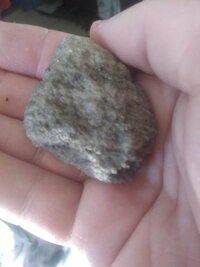
My closest home depot is about an hour and a half away so I'll have to wait until Friday for extra cash, but I do plan on it. On second thought, does it have to red lava rock or would feather rock work? Because I have a lot of those.
 

Attachments

  • 20210524_160728.jpg
    20210524_160728.jpg
    78.9 KB · Views: 105

Advertisement


  • Thread Starter
  • #32
Today I went ahead and put a bag of feather rocks in my filter. Had to remove a bag of crushed coral to make room though. I just mixed that into the substrate to hopefully preserve any bacteria present on it. Anyways reading today are,
Ammonia 2.0ppm
Nitrite 0ppm
Nitrate 40ppm
 
Today I went ahead and put a bag of feather rocks in my filter. Had to remove a bag of crushed coral to make room though. I just mixed that into the substrate to hopefully preserve any bacteria present on it. Anyways reading today are,
Ammonia 2.0ppm
Nitrite 0ppm
Nitrate 40ppm
Well it definitely looks to be processing ammonia. Although interesting that the ammonia is still 2.0 ppm yet nitrates are increasing.
 
  • Thread Starter
  • #34
Well it definitely looks to be processing ammonia. Although interesting that the ammonia is still 2.0 ppm yet nitrates are increasing.
I know right? I just don't get it.
Today looks about the same. If anything it looks like that ammonia has gone up.
Ammonia 2.0ppm to 4.0ppm
Nirite 0ppm
Nitrate has dropped back to 2.0ppm
Maybe my test kit is bad.
 
You live near a Culligan plant? RO water is 40 cents per gallon in Canada but probably cheaper in the US. Just remineralize it to whatever parameters you want. Yes you need to buy products for that but no more expensive Prime. By the time you factor that in it doesn't cost anything at all
 
  • Thread Starter
  • #36
You live near a Culligan plant? RO water is 40 cents per gallon in Canada but probably cheaper in the US. Just remineralize it to whatever parameters you want. Yes you need to buy products for that but no more expensive Prime. By the time you factor that in it doesn't cost anything at all
Unfortunately no. The only water plant around here is crystal geyser.
 
  • Thread Starter
  • #37
For today,
Ammonia looks to be at 1.0ppm. The color seems to change between different lighting.
Nirite 0
Nitrate 80ppm
 
  • Thread Starter
  • #38
Today is
Ammonia 1.0ppm
Nirite 0
Nirate 20.ppm? Weird.
 
Its progress. Slow, excruciating progress but still progress.

An aquarium is like a kettle....it always takes longer to boil when watching it....aquarium keepers discover the patience that they never ever thought that they had

It's always two steps forward and a dozen backwards with aquariums but you will get there....positivity and patience...vital ingredients for successful fishkeeping (and grey hair, bald spots, wrinkles, bags under the eyes, insomnia etc etc etc) ;)
 

Advertisement


  • Thread Starter
  • #42
[/QUOTE](grey hair, bald spots, wrinkles, bags under the eyes, insomnia etc etc etc) ;)
[/QUOTE]
Ahhh something to look forward too at least. I just wish I knew why the ammonia is so resistant to being reduced.
 
I had similar issues when I moved to my current address 13 years ago. Prior to moving here, never any issues with water quality for the fish at all....everything was as close to the optimum as you can possibly get.

Moved to a new flat, in a different county some 300 miles north of where I used to live. Nightmare in regard to water quality. It is AWFUL. Tastes foul, smells weird, goes cloudy at the drop of a hat. I refuse to drink it as its only good enough for showers, flushing the loo and doing the laundry & dishwashing.

So to get back to the optimum that I was so used to I spend around 30 to 40 quid a month on bottled spring water. for myself and the 5 aquariums. The fish are happy and healthy, no ammonia spikes, no issues with instability with pH or anything else. Same source, same pH, same minerals at same values across the board.

Yes it is an extreme cure for the tapwater issues that refused to stabilise, but at the end of the day, to me at least, its worth not having the heartache and expense of fish becoming ill and dying due to water issues.

I buy 4 packs of 40 x 500ml bottle packs of Kirkwood per month...which is available in Costco and Walmart in the US. I use the small bottles so that when refilling I can do it nice and slowly thus not shocking the residents with cold water gushing into their home.....I can control the way it is added and where in the aquarium it is added so the existing water and the bottled water mixes perfectly and without huge temperature drops. It is all from the same source, you can check on the pH etc on the bottle's label....shop around for best price so that it doesn't become too expensive and you recycle the empties.

It cured my water quality issues overnight, not looked back and still not using the tap water for me or my fish.
 
  • Thread Starter
  • #44
I had similar issues when I moved to my current address 13 years ago. Prior to moving here, never any issues with water quality for the fish at all....everything was as close to the optimum as you can possibly get.

Moved to a new flat, in a different county some 300 miles north of where I used to live. Nightmare in regard to water quality. It is AWFUL. Tastes foul, smells weird, goes cloudy at the drop of a hat. I refuse to drink it as its only good enough for showers, flushing the loo and doing the laundry & dishwashing.

So to get back to the optimum that I was so used to I spend around 30 to 40 quid a month on bottled spring water. for myself and the 5 aquariums. The fish are happy and healthy, no ammonia spikes, no issues with instability with pH or anything else. Same source, same pH, same minerals at same values across the board.

Yes it is an extreme cure for the tapwater issues that refused to stabilise, but at the end of the day, to me at least, its worth not having the heartache and expense of fish becoming ill and dying due to water issues.

I buy 4 packs of 40 x 500ml bottle packs of Kirkwood per month...which is available in Costco and Walmart in the US. I use the small bottles so that when refilling I can do it nice and slowly thus not shocking the residents with cold water gushing into their home.....I can control the way it is added and where in the aquarium it is added so the existing water and the bottled water mixes perfectly and without huge temperature drops. It is all from the same source, you can check on the pH etc on the bottle's label....shop around for best price so that it doesn't become too expensive and you recycle the empties.

It cured my water quality issues overnight, not looked back and still not using the tap water for me or my fish.
Since starting this thread I've been using PRIMQ purified water. The local wall Mart sells 5 gallon jugs that you can bring back and refill for like $5.
Today
Ammonia 1.0ppm
Nitrite 0
Nitrate somewhere between 20- 40 ppm
 
Since starting this thread I've been using PRIMQ purified water. The local wall Mart sells 5 gallon jugs that you can bring back and refill for like $5.
Today
Ammonia 1.0ppm
Nitrite 0
Nitrate somewhere between 20- 40 ppm

Stupid question, I know, but have you any of that water left that you can actually test?

I totally understand your frustrations with the ammonia. Finding the source can seem like an almost impossible task when you're faced with it.

Don't get me wrong, I am not doubting the staff at Walmart, but is it possible that they are refilling your containers with something else such as normal tapwater.....or is there even the slightest chance that the containers are contaminated or have ammonium in their makeup/manufacturing process?

It was things like this that finally pushed me over to using bottled spring water. The water is from the same source, bottled in sterilised plastic bottles, UV treated twice to make sure nothing nasty manages to stay in the water (it is human consumption product so has to be 100% pure and without bugs etc). Cos at the end of the day there is only so much that you can do or check as an ammonia source, and you end up going round in circles losing all hope very quickly.
 
  • Thread Starter
  • #46
Stupid question, I know, but have you any of that water left that you can actually test?

I totally understand your frustrations with the ammonia. Finding the source can seem like an almost impossible task when you're faced with it.

Don't get me wrong, I am not doubting the staff at Walmart, but is it possible that they are refilling your containers with something else such as normal tapwater.....or is there even the slightest chance that the containers are contaminated or have ammonium in their makeup/manufacturing process?

It was things like this that finally pushed me over to using bottled spring water. The water is from the same source, bottled in sterilised plastic bottles, UV treated twice to make sure nothing nasty manages to stay in the water (it is human consumption product so has to be 100% pure and without bugs etc). Cos at the end of the day there is only so much that you can do or check as an ammonia source, and you end up going round in circles losing all hope very quickly.
Not a stupid question at all. That's something I actually thought about. The water tested 0 for ammonia. But I guess it wouldn't hurt to double check. Luckily I still have some left, so I`ll bust out my test kit and see what it says..
 
Not a stupid question at all. That's something I actually thought about. The water tested 0 for ammonia. But I guess it wouldn't hurt to double check. Luckily I still have some left, so I`ll bust out my test kit and see what it says..

If you have exhausted, and I suspect that you have, all other potential ammonia sources and the water comes back clean....then apart from having fish that produce insane levels of waste, I can't fathom why you are getting ammonia.....unless the test is giving false positives, which is actually more than a possibility cos it does happen.

A bad test kit cos nothing is perfect all of the time would continually give false positives.

Another stupid question...what does the aquarium smell like? Even if you have a cold you can still smell the slightest ammonia in water.
 
  • Thread Starter
  • #48
Well......the water came out at 4.0ppm. No more PRIMO for me I guess. I had two other brands, so I gave those a test. The Distilled Arrowhead reads at about 1.0ppm to 0.50ppm. Crystal Geyser spring water came out at MAYBE 0 but it could be 0.25ppm. I think Ill switch to the spring water and see what happens. What does ammonia smell like? I would have to say that my tank smells like a river, though I have a very selective sense of smell. Some things I'm just nose blind too.
 
Well......the water came out at 4.0ppm. No more PRIMO for me I guess. I had two other brands, so I gave those a test. The Distilled Arrowhead reads at about 1.0ppm to 0.50ppm. Crystal Geyser spring water came out at MAYBE 0 but it could be 0.25ppm. I think Ill switch to the spring water and see what happens. What does ammonia smell like? I would have to say that my tank smells like a river, though I have a very selective sense of smell. Some things I'm just nose blind too.

OK that is potentially giving you the culprit.

Before doing anything else, what is the use by date on your test kit please?
And do you sterilise the test tubes tween tests?

My suspicious and cynical mind is leaning towards a bad test kit. If the water smells like a normal river or babbling brook, the fish/plants show no obvious reddening or breathing issues and the fish are active and eating normally.......my suspicion heads right at the test kit being faulty or out of use by date thus the testing chemicals have broken down and giving you false positives.

If you try the bottled water, make sure you check the label for pH and mineral content and change the water across slowly over 3 or 4 weeks of water changes, don't change it all over in one go as that will freak out the fish and cause extra issues with stress.

But before you go that route, check the test kit use by and batch number....if in date range, you might feel like checking with API on the batch number incase of a recall cos not all recall notices get through to the customer level. With the results you are getting it is leaning towards a bad kit or one out of date range or combination of those two.
 
I'll stay out of the testkit question, but if there has been purified (= RO/DI/distilled) water used all the time I would NOT change to bottled mineral water at all.
When using RO water, please always check KH, GH and TDS. Otherwise changes in osmotic pressure may end badly.
 
Advertisement


Advertisement


Advertisement


Back
Top Bottom