Issue With The Way Fish Food Gets Branded And Labelled

PeterFishKeepin

Well Known
Member
Messages
1,696
I was looking at frozen food on my lfs website, after looking at the ingredients they are almost all identical.

Community Food: whole fish, scallops, prawns, clams, mussels, spinach, green peas, beefheart, spirulina
Cichlid Food:whole fish, scallops, prawns, clams, mussels, spinach, green peas, beefheart, spirulina, garlic
Discus Food: whole fish, scallops, prawns, clams, mussels, spinach, green peas, beefheart, spirulina, bloodworms, garlic, astaxanthin

almost no difference, adding garlic or bloodworms doesn't therefore make it "cichlid food" or "discus food" or not having garlic means it "community food"
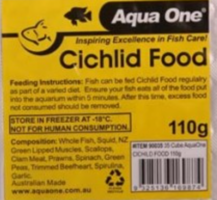
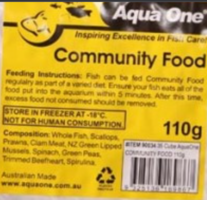
1647760287099.png1647760321703.png 1647760511866.png


So maybe you have a community tank, why buy "community fish food" when you could get "cichlid" or "Discus" food and have more variety in the food you feed your fish, garlic is also very good to prevent internal parasites so its a benefit having it your food
 

Advertisement
I agree! Wait until you start reading the label on human food or products. It's all an illusion, everything is just marketing.

If it was dry food, I would say check the nutritional content (protein, fibre, fat). Since they might contain the same things but in different quantities to make a different nutritional profile. But clearly not the case in this case lol
Though I agree these foods look very much the same I disagree to only check on nutritional content. Proteins, fat and possible vibres come in several different types (there are about 20 aminoacids of which protein are "made".

BTW the amount of ingredients could cause a difference in that in the shown foods (though unlikely).

So yes the aquabrands are fooling us constantly but to be honest we can't tell how and in what way.
 
I find this issue with dry foods too. Fish meal , what even is fish meal and what is it made of ??? There’s some real rubbish out there being sold as food where the reality is, it’s just filler for fish’s stomachs.

Find individual frozen foods with added garlic or vitamins and vary diet by rotation feeding.
 
I be more curious about what the percentages are between products of those ingredients. They could be very different from one to the other although composed of the same type of things for the most part.
 
Hey PeterFishKeepin the next time you are in a supermarket check out the cost of a 100 grams of human grade seafood mix.
Admittedly it takes time to cut and grind whole mussels, prawns and white fish chunks into a thin paste suitable for aquarium fishes tiny mouths.

The savings in money is good but also knowing the health and safety of food preparation standards in how it is handled on all of its journey form sea to kitchen table should be considered.

Aussie black worms that are freeze dried have a good reputation.

According to my local club president the percentage of garlic in fish food it being lowered each year since it was discovered it can cause cancer in fish.
 

Advertisement
  • Thread Starter
  • #7
thank you all for you imput, flyfisha, the packet at my lfs is $12 for this "cichlid food" stuff. So I'm sure 100grams at supermarkets would be much more efficient, thanks for the tips.

I agree, perhaps the % of each ingredient is different between "community", "cichlid"....

Because they don't say this it leads me to believe they use the same base, the "community food" then add what is needed to make it "cichlid" or "discus" food
 
Check out some of the human grade dried fish in the Asian or Indian supermarket while you buy a bag of cinnamon bark to add tannins.
 
  • Thread Starter
  • #9
how do i know if the dried shrimp and stuff you see is safe for aquariums??
 
  • Thread Starter
  • #11
oh ok ill look into doin that thanks
Hi flyfisha, sorry I can't join the society you recommended as I'm a teen and my parents don't want me on Facebook, maybe when I'm old I can join, thanks for all he tips
 

Advertisement


According to my local club president the percentage of garlic in fish food it being lowered each year since it was discovered it can cause cancer in fish.
Oh no! I have never heard that. Is there a source for that info? I'd love to read it. It's something I've used and recommended for years
 
Here is a link to NSW cichlids web site. They meet once a month at Moorebank high school. Twice a year they have the all day auctions.( Covid permitting)

Meeting & Mini Auction - NSW Cichlid Society


Lucy
I found this Australian guy mentioning the risk of overdosing garlic and claiming it’s scientifically proven to damage the fishes internal organs.


I am not much of a fan of this Australian U tube guy to be honest,( he sells stuff from a shop ) but you did ask for an alternative view on what was a common practice years ago.

I would say look at the percentage of garlic in dry fish food now compared to older brands for an explanation .
 
how do i know if the dried shrimp and stuff you see is safe for aquariums??

I usually hesitate to make assumptions, but in this case I will. If it's safe for human consumption I very much doubt it wouldn't be safe for fish.
 
Removing garlic from the community mix is a nice touch. You don't want your fish to have garlic breath when they are out in the community.
 
  • Thread Starter
  • #17
HI flyfisha, Ive met this shop own his name is Paul Tablot, he seems like a nice bloke and is very knowledgeable, he can ramble on but I think his pretty good, every has their own opinion.

I am not much of a fan of this Australian U tube guy to be hones
btw his shop is my lfs, otherwise its petbarn...:(
 
I am not much of a fan of this Australian U tube guy to be honest,( he sells stuff from a shop ) but you did ask for an alternative view on what was a common practice years ago.

I would say look at the percentage of garlic in dry fish food now compared to older brands for an explanation .
haha, yes, I did ask and thank you. :)
 
I roll my eyes at that type of marketing too. At least there are several high quality ingredients listed. I would definitely look past the marketing in this case, because they all seem like good foods.

And they definitely aren't the only ones getting tricky with the marketing.

For example, let's take a look at the first 5 ingredients in a selection of Omega One products. Ingredients are listed in order of quantity, so the first 5 in the list are going to make up the bulk of what's in the food.

Cichlid fish flakes: Salmon, Whole Herring, Wheat Flour, Whole Shrimp, Wheat Gluten. ($4.50 per ounce.)

Super Color Veggie Kelp Pellets: Salmon, Whole Herring, Rice Bran, Wheat Flour, Wheat Germ ($2.00 per ounce)

Betta Buffet Pellets: Salmon, Wheat Flour, Whole Herring, Pea Protein, Whole Shrimp. ($5.00 per ounce)

Goldfish Pellets: Salmon, Whole Herring, Wheat Germ, Wheat Flour, Whole Shrimp.
($2.15 per ounce)

Super Color Flakes: Salmon, Whole Herring, Wheat Flour, Whole Shrimp, Pea Protein
($4.70 per ounce)

Freshwater Flakes: Salmon, Whole Herring, Wheat Flour, Whole Shrimp, Wheat Gluten ($4.33 per ounce)

Slow Sinking Color Mini Pellets: Salmon, Whole Herring, Wheat Germ, Wheat Flour, Whole Shrimp, ($3.33 per ounce)

Garlic Marine Flake: Salmon, Whole Herring, Wheat Flour, Whole Shrimp, Wheat Gluten ($4.33 per ounce)

As you can see, the foods marketed for bettas, goldfish, cichlids, marine fish, and the general flake/pellet foods are all predominantly made from salmon, herring, and wheat based fillers/binders. Even when you look closer at the rest of the ingredients they still don't get all that different. Its almost entirely the same stuff in slightly different proportions.

So sure, these foods aren't technically identical. But lets cut the nonsense... for practical purposes they're interchangeable.
That's a shame because most of the intended recipients wouldn't even be eating much fish in the wild, can't be good for them.

And any fish they did eat would be scavenging carcasses
 
  • Thread Starter
  • #21
I agree, too many mislabeled products,

Garlic Marine Flake: Salmon, Whole Herring, Wheat Flour, Whole Shrimp, Wheat Gluten ($4.33 per ounce)
"garlic" marine flakes...bruh, WHERE is the garlic in that?????o_O:confused:
 
Advertisement


Advertisement


Advertisement


Back
Top Bottom