

Recently, I have gotten back into the Fishkeeping hobby, and more than ever!
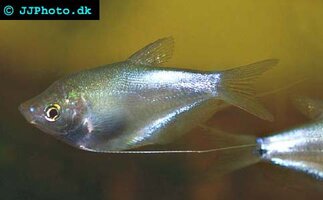
With that - I came to the interesting discovery that the beautiful Moonlights are some of the least common in the trade and seem to have minimal information floating around on them, specifically.
I have attached two documents which both provide solid information, albeit the same.
Here are some of the key summarized points for keeping Moonlights:
Biology:
Moonlight Gourami's are Labyrinth Fish (like all Gourami's and Bettas) who must surface every so often to collect air - no matter how well oxygenated your tank is, Gourami will need surface access.
They are hardy fish who can handle most PH and nitrate environments, keep an eye on their energy and check water regularly, they are quite active, so not moving or searching for food could be indicative of an issue.
Moonlights are naturally occurring in slow-moving rivers and still waters, they do not do well with current.
Sponge filters or low-flow HOB are ideal. (I use a 15g HOB and a 10-20 Sponge for my 25g Long)
Size: Moonlights can grow up to 6 inches! (15 cm) They should not be in a tank smaller than 40-gallons once near maturity.
Co-habitation:
Moonlights are fairly peaceful in the world of Gourami's; however, the Males (and sometimes females) can be very territorial and will chase other fish if there is not adequate space.
Tank Mates ideally include:
Similarly-smaller sized peaceful fish
- Tetra's
- Rasabora
- Molly/Livebearers (note: fry will get eaten if not removed)
- Cory's
Try to avoid things like ghost shrimp or anything small enough the Gourami can get its mouth (mostly) around it. Gourami's naturally feed on crustaceans, so they can become easy pickings.
DO NOT MIX GOURAMI SPECIES
Gourami's do best as the community centre-piece or in groups of 8-12.
Mixing species (especially males) is just asking for Gourami-Fight Club.
Feeding:
Flakes/Pellets for nutritional value
Frozen foods for variety/protein
Plant matter to complete diet - Gourami are Omnivorous fish, so they should have some plants to nibble on, or veggies added to supplement that element of their diet.
NOTE: Do not leave large pieces of food for more than a day, or it will start to rot.
Advertisement